Transforming Spaces: Our Demolition and Salvage Process

Demolition is often viewed as a destructive act, but in reality, it is a transformative process that paves the way for new beginnings. At our company, we take pride in our comprehensive demolition and salvage process, which not only clears spaces but also preserves valuable materials for future use. This blog post will take you through the various stages of our process, highlighting the importance of safety, sustainability, and efficiency.

Understanding the Demolition Process
Demolition is not just about tearing down structures; it involves careful planning and execution. Here’s a breakdown of the key stages involved in our demolition process:
Initial Assessment
Before any physical work begins, we conduct a thorough assessment of the site. This includes:
Site Inspection: Evaluating the structure to determine the best demolition method.
Material Identification: Identifying materials that can be salvaged or recycled.
Safety Evaluation: Assessing potential hazards and planning for safety measures.
Planning and Permitting
Once the assessment is complete, we move on to the planning phase. This includes:
Developing a Demolition Plan: Outlining the steps to be taken, including timelines and resource allocation.
Obtaining Permits: Securing necessary permits from local authorities to ensure compliance with regulations.
Preparation
Preparation is crucial to a successful demolition. This phase involves:
Utility Disconnection: Ensuring all utilities (water, gas, electricity) are safely disconnected.
Site Preparation: Setting up barriers and safety equipment to protect workers and the surrounding area.
The Demolition Phase
With everything in place, we can begin the demolition process. This phase is where the transformation happens.
Method Selection
Depending on the structure and its location, we choose the most appropriate demolition method. Common methods include:
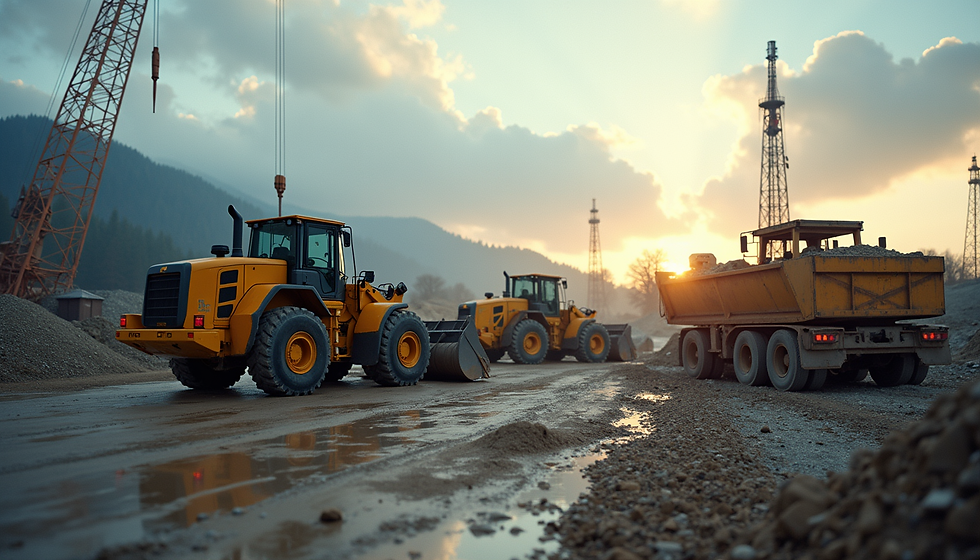
Mechanical Demolition: Using heavy machinery like excavators and bulldozers for larger structures.
Selective Demolition: Carefully removing specific parts of a building to preserve other areas.
Implosion: A controlled demolition technique that uses explosives to bring down a structure safely.
Safety Protocols
Safety is our top priority during demolition. We implement strict protocols, including:
Personal Protective Equipment (PPE): Ensuring all workers wear appropriate gear.
Site Monitoring: Constantly monitoring the site for hazards and ensuring compliance with safety regulations.
Salvage and Recycling
One of the most rewarding aspects of our demolition process is the opportunity to salvage materials. This not only reduces waste but also supports sustainable practices.
Identifying Salvageable Materials
During the demolition, our team identifies materials that can be reused or recycled, such as:
Wood: Beams, flooring, and cabinetry can often be refurbished.
Metals: Steel and aluminum can be recycled and repurposed.
Bricks and Concrete: These materials can be crushed and used for new construction projects.
Salvage Process
Once materials are identified, we carefully remove them to ensure they remain intact. This process includes:
Dismantling: Carefully taking apart structures to preserve materials.
Sorting: Organizing salvaged materials for reuse or recycling.
Environmental Considerations
Our commitment to sustainability extends beyond just salvaging materials. We also focus on minimizing our environmental impact throughout the demolition process.
Waste Management
We implement effective waste management strategies, including:
Recycling Programs: Partnering with local recycling facilities to ensure materials are processed correctly.
Landfill Diversion: Striving to divert as much waste as possible from landfills.
Eco-Friendly Practices
In addition to recycling, we adopt eco-friendly practices such as:
Dust Control: Using water sprays to minimize dust during demolition.
Noise Reduction: Implementing measures to reduce noise pollution for surrounding communities.
Case Studies
To illustrate the effectiveness of our demolition and salvage process, here are a couple of case studies:
Residential Project
In a recent residential demolition project, we were tasked with clearing an old home to make way for new construction. Our team successfully salvaged:
Hardwood Flooring: Refinished and reused in the new home.
Brick: Cleaned and repurposed for landscaping.
This not only saved the homeowner money but also contributed to a more sustainable building process.
Commercial Project
For a commercial building, we executed a selective demolition that preserved the façade while removing the interior. Key salvaged materials included:
Steel Beams: Reused in the new construction.
Windows: Refurbished and installed in a new building.
This approach minimized waste and maintained the character of the original structure.
Conclusion
Our demolition and salvage process is designed to transform spaces while prioritizing safety and sustainability. By carefully planning and executing each stage, we not only clear sites for new beginnings but also preserve valuable materials for future use.
If you’re considering a demolition project, remember that it’s not just about tearing down; it’s about building a better future. Reach out to us to learn more about how we can help you transform your space responsibly.

Comments